
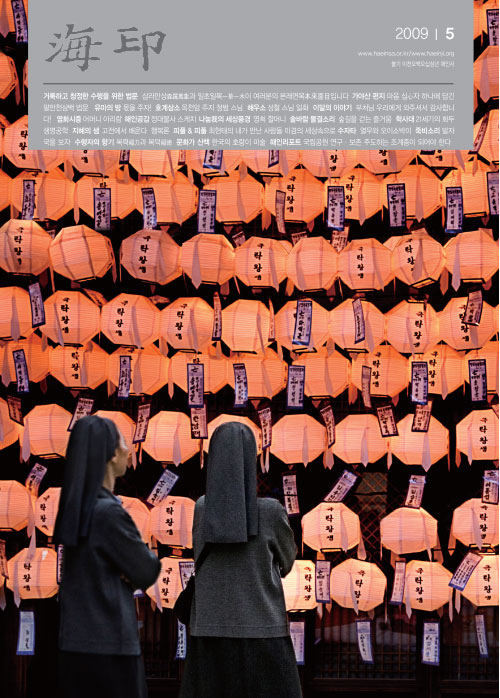
“The Healing Buddha”
이전 게시물 다음 게시물According to legend, all previous spiritual teachings were at best imperfect until the Buddha unveiled for us the path to true enlightenment and initiated a
new era of possibility for humanity.
I would therefore like to suggest that whatever we as Buddhists do to celebrate this occasion, we may try to include something that reflects this spirit
of renewal and possibility. In other words, rather than consider this day as simply an annual event that comes and goes, we may take this day, the day
the Buddha came to us, as an opportunity to begin something new in our lives.
And one thing we can do is make a decision to heal ourselves.
All of us carry emotional, and sometimes physical, wounds. When faced with young student writers who claimed they had nothing in their lives worth writing about, the late American author Flannery
This year the Buddha’s birthday falls on May 2nd. This day bears extraordinary significance for Buddhists as the moment in our his35 O’Connor replied that anyone who survives childhood has enough material to write about for the rest of his or her life. Her retort rings true with psychological observations of children.
Children, we are told, cannot cope with strong negative emotions and try to avoid them. If there is no wise adult present to guide them with love and understanding into facing their pain, they will have no option but to try not to feel it. Most likely, they will try to bury the pain deep within their earts
beyond conscious awareness or memory. For many, perhaps most, adults this childish defense mechanism remains in place well into adulthood.
In fact, much of adult life consists of finding enough external stimulus to distract us from the pain that accumulates within. We retreat from this pain into unhealthy but stimulating food, overly long work hours, obsessive care of our physical appearance, meaningless conversations and social occasions, movies, books, music, vacation trips, alcohol, cigarettes, and so-called romantic relationships.
Outwardly, we may be considered successful. We may have attained enviable positions, made a lot of money, even gotten married and had children, but all too many of us find that our outer appearance does not reflect our inner reality. Inwardly, we may languish in self-imposed exile, fearful that we may never be able to bring down the walls we’ve erected around our pain and forever longing to meet someone who can recognize the real me, the me inside the shell.
Spiritual author Eckhart Tolle has even gone so far as to theorize that each of us carries within our bodies and minds a“pain-body,”that is, an accumulation of the energy of pain, that has a life and intelligence of its own. The pain-body is a parasite made of energy that typically lies dormant until it is hungry to feed on negative emotion. At this point, it emanates waves of negative energy that darken our houghts and behavior. This is why, according to Eckhart, people periodically engage in dramatic, destructive and self-destructive behavior, willfully reating
painful scenarios with significant others. Only in this way can enough negative emotional energy be unleashed to satisfy the pain-body which, when sated, returns to a temporary state of slumber.
Eckhart’s concept is controversial, especially because he argues that the pain-bodies of women and certain ethnicities with difficult recent histories such
as Native Americans and Jews are freighted with a greater load of negative energy. However, his concept does illustrate the way in which pain may accumulate
in us and affect how we treat others and ourselves.
What can we do as Buddhists, then, to dissolve the pain-body within us?
We may begin to meditate.
Among other things, meditation is a method of observing one’s inner reality of thoughts and emotions.
In other words, it’s a way of finally directly facing the pain which we have tried so hard to avoid. We may sit and breathe and observe all that bubbles up--and our pain is always bubbling up, always crying out for attention.
We may observe with patience and learn to recognize and accept what we hold within, regardless of how shameful or even ugly it may at first seem. We may accept it and forgive it and then let go for it to flow away. We will learn that the childish effort to bury our pain causes us to keep it trapped burning
inside when we don\'t have to. Paradoxically, facing our pain and accepting it in the observing light of meditation lets it finally melt away as it should have so long ago.
Meditation is the gift of healing that we may give to ourselves and others. In starting to heal ourselves, we learn to discontinue our destructive behaviors. We realize that everyone always views themselves and others through the filters and categories created by their own childhood experiences. We learn that our
hurtful words and gestures are never really responses to others, but to the images that we hold of them.
We also learn that their behaviors are not truly directed toward us, but to their images of us. Everyone, in fact, is responding to distorted images and interpretations created by their own painful memories and usually unintentionally activated in the course of each day\'s events. As the pain that upholds these images disappears, and then the images themselves, we may for the first time begin to see the world for what it really is. And we may find it\'s not such a bad place after all.
준 날이기 때문이다. 전설에 따르면, 부처님 이전의 모든 영적 가르침은 불완전한 것에 지나지 않았다고 한다. 진정한 깨달음에 대한 길을 보여주시고 인류에 대
한 가능성의 새 시대를 연 분은 부처님이었다.
석가탄신일을 축하하기 위해 각기 이런저런 일을 하겠지만, 나는 무엇보다 이날이 갖는 소생과 가능성의 정신을 반영할 무언가를 해볼 것을 권하고 싶다.
즉, 이날을 단순한 연중행사로 여길 것이 아니라 부처님께서 우리에게 오신 날로, 우리네 삶에서 뭔가 새로운 일을 시작하는 계기로 삼아보자는 것이다.
우리 스스로를‘치유’하기로 마음먹어보는 것은 어떨까. 우리 모두는 감정적, 때로는 신체적 상처를 안고 살아간다. 살아오면서 겪은 일 중에 딱히 글로 옮길 정도로 가치 있는 일은 없었다고 주장하는 학생들을 만날 때마다, 미국의 단편소설 작가 플래너리 오코너는 이렇게 말해주었다.“유년기를 살아남은 사람은 누구나 남은 평생 동안 글을 쓸 충분한 양의 소재를 갖고 있다.”아이들을 관찰한 심리학적 연구결과를 보더라도 오코너의 말은 정말 맞는 것 같다.
올해 석가탄신일은 5월 2일이다.
이날은 특히 불자들에게 매우 의미가 있는데, 우리에게 깨달음이라는 자유를 얻을 수 있는 기회를 가져다
아이들은 강한 부정적 감정에 대처하는 법을 모르기 때문에 아예 감정을 느끼지 않고 회피해버리려고 한다는 말이 있다. 아이들 입장에서 보면, 감정을 느끼지 않으려고 애쓰는 것이 최선책인 것도 같다. 만약 그런 상황에서 고통스러운 감정과 마주할 수 있도록, 사랑과 이해를 가지고 이끌어주는 현명한 어른이 없다면 말이다. 분명 십중팔구는 의식적 지각이나 기억이 미치지 않는 곳에 상처를 깊숙이 묻어버리려고 할 것이다. 그리고 이런 유아적 방어자세는 성인이 될 때까지도 그 자리에 남아 있게 되는 것이 보통이다.
사실 어른들은 가슴 속에 쌓인 고통으로부터 주의를 분산시키기 위해, 외부의 자극에 몰두하는 데 많은 시간을 보낸다. 이렇게 해서 우리는 고통으로부터 뒷걸음질친다. 그리고 동시에 몸에 해롭고 자극적인 음식, 장시간의 근무, 외모에 대한 집착, 무의미한 잡담과 사교모임, 영화, 책, 음악, 여행, 술, 담배, 소위 낭만적인 관계로 빠져들어 간다.
그런데 한편 겉으로 보면 꽤나 성공한 사람으로 인정받는 경우도 있다. 남들이 부러워할 만한 지위에 올라 있거나, 돈을 많이 벌었다거나, 아니면 결혼을 해서 아이들과 단란한 가정을 꾸리고 있다. 그러나 너무나 많은 경우에, 겉모습이 인간 내면의 현실을 반영하지 않는다는 것을 우리는 알게 되는 것이다. 그 속을 들춰보면, 우리는 스스로 자초한 정신적 유랑에 괴로워하고, 고통을 둘러싸고 세운 벽을 끝내 허물지 못하게 될까봐 두려움에 떤다. 진짜 내 모습을, 껍데기 안에 자리 잡고 있는 진짜 내 모습을 알아줄 그 누군가만을 간절히 기다리면서.
현대의 영적 스승이자 작가로 활동 중인 에크하르트 톨리는 이런 우리 현실을 이론화시키기까지 했을 정도다. 그는 우리 몸과 생각 안에서 고통의 에너지가 축적되어 탄생된 부정적인 에너지를‘고통의 몸(pain-body)’이라고 이름 붙였는데, 고통의 몸은 생명과 지능을 갖고 있다고 했다. 고통의 몸은 에너지로 만들어진 기생충이다. 고통의 몸은 부정적 감정을 먹고 사는데, 보통은 잠복 상태로 있다가, 배가 고파지면 우리 생각과 행동을 어둡게 만드는 부정적인 에너지 파장을 일으킨다. 에크하르트 톨리에 의하면, 사람들이 주기적으로 극적이고 해로운 자기 파괴적 행동을 하는 것은 물론, 소중한 사람들에게 일부러 상처를 주는 것도 고통의 몸이 활동을 하기 때문이라고 한다. 그렇게 해야만 부정적인 에너지가 해방되어 고통의 몸을 만족시킬 수 있는 것이다. 이렇게 해서 고통의 몸이 실컷 포식하고 나면 그것은 다시 일시적인 휴
면 상태로 돌아간다.
에크하르트의 발상은 논쟁의 여지가 있는데, 특히 여자들과 특정 민족의 고통의 몸에 대한 언급 때문에 더욱 그렇다. 예를 들어, 근대 역사 속에서 힘든 시기를 보낸 아메리카 인디언과 유대인들은 다른 사람들보다 더 많은 부정적 에너지를 지니고 있다는 그의 주장 때문이다. 하지만 에크하르트는 분명 우리 안에 축적된 고통이 타인과 자신을 대하는 방식에 영향을 미친다는 것을 보여주고 있다.
그럼 불자인 우리들은, 우리 안에 자리 잡고 있는 고통의 몸을 어떻게 없앨 수 있을까? 참선을 하는 것도 한 방법이다. 참선은 내면에서 일어나는 생각과 감정을 지켜보게 한다. 다른 말로 참선은 우리가 그렇게도 피하려고 애써왔던 고통을 마침내 직접적으로 대면하게 되는 길이라고 하겠다. 앉아서 단전호흡을 하며 방울방울 올라오는 모든 생각과 감정을 지켜보자.
고통은 항상 표면 위로 떠오르며 끊임없는 관심을 받고 싶어 한다.
처음에는 아무리 수치스럽고 불쾌해 보이는 것일지라도, 인내를 갖고 지켜보며 우리 안에 묻어놓은 것을 인정하고 받아들이는 법을 배워보는 것도 좋을 것이다. 그것을 받아들이고 용서하고, 그 다음엔 흘려보내자. 고통을 묻으려고 했던 미숙한 노력 때문에 오히려 고통이 안에 갇혀 타오르고 있었다는 것을 알게 될것이다. 역설적이지만, 참선을 통해 그 안에서 고통을 대면하고 받아들임으로써 마침내 고통은 녹아 없어진다. 오래전에 녹아 없어져야 했을 그 고통이 말이다.
참선은 우리가 우리 자신과 남에게 베풀 수 있는 치유의 선물이다. 우리 자신부터 치유해야 그릇된 행동들도 그만둘 수 있다. 모든 사람은 언제든지 자신만의 어린 시절 경험을 통해 형성된 기준과 잣대로 세상을 바라본다. 우리가 상처를 주는 말이나 행동은 결코 타인에 대한 참된 반응이 아니다. 우리는 우리가 그 사람들에 대해 갖고 있는 이미지에 반응하고 있는 것뿐이다.
마찬가지로 타인의 행동은 우리를 직접적으로 겨냥 한 것이 아니며, 그들이 우리에 대해 갖고 있는 이미지에 반응하는 것이라 할 수 있다. 사실 모두가 왜곡된 이미지와 해석에 반응하고 있다. 물론 그 왜곡된 이미지와 해석은 자신들만의 괴로운 기억들을 통해 만들어진 것으로, 이것이 하루 중 일어나는 일들을 통해 무의식적으로 활성화되어 우리 언행에 영향을 미치는 것이다. 이러한 이미지들을 지탱하고 있는 고통과 그 이미지 자체가 사라지게 된다면, 우리는, 아마 처음으로, 이 세상을 있는 그대로 보게 될 수 있을 것이다. 그리고 결국에는 세상이 그렇게 나쁜 곳이 아니라는 것도 알게 될지 모른다.

경상남도 합천군 가야면 해인사길 122 전화번호:055-934-3006 팩스:055-934-3010
COPYRIGHT 2012 월간해인 ALL RIGHT RESERVED